
Have you ever experienced soreness in your nails after removing shellac? If so, you’re not alone. Many people report feeling discomfort and pain in their nails after removing this popular nail polish alternative. In this article, we’ll explore why this happens and what you can do to prevent and alleviate sore nails after shellac removal.
First, it’s important to understand what shellac is and how it works. Shellac is a type of nail polish that is cured under UV light, creating a long-lasting and durable finish. However, unlike traditional nail polish, shellac can be difficult to remove. It requires the use of acetone, a strong solvent that can be harsh on your nails. This can result in soreness and damage to your nail bed, cuticles, and surrounding skin. By understanding the effects of acetone on your nails and the shellac removal process, you can take steps to protect your nails and minimize discomfort.
Key Takeaways
- Shellac removal can cause soreness and damage to your nails and surrounding skin.
- Prevention measures such as asking for a gentle removal process and using non-toxic products can help reduce soreness.
- Regular nail care, including moisturizing and avoiding harsh chemicals, can keep your nails healthy and prevent further damage.
- Persistent soreness or discomfort may indicate a larger health issue and should be evaluated by a medical professional.
Understanding What Shellac Is and How It Works
Shellac is a tough, protective coating that adheres to your nails like a second skin, making them look shiny and flawless. The shellac application process involves several steps, including a base coat, two coats of shellac polish, and a top coat. Each coat is cured under a UV lamp for a few seconds, creating a hard and durable layer on your nails. The end result is long-lasting, chip-resistant nails that can stay intact for up to two weeks.
One of the reasons why shellac is so popular is its longevity on nails. Unlike regular nail polish, shellac does not chip or peel easily, making it a great investment for those who want to keep their nails looking great for an extended period of time. However, the downside of this durability is that removing shellac can be a challenging process. Many people report having soreness or pain in their nails after removing shellac, which can be uncomfortable and even painful.
The reason why you may feel soreness in your nails after shellac removal is due to the fact that the shellac coating adheres to your nails so tightly. When you remove the shellac, it can take a layer of your natural nail with it, causing your nails to feel tender and sore. This is why it’s essential to remove shellac properly and avoid peeling or scraping it off, which can cause even more damage to your nails.
The Effects of Acetone on Your Nails
We want to talk about the effects of acetone on our nails. When we use acetone to remove Shellac or gel nail polish, it can cause dehydration and make our nails brittle. This can lead to soreness and discomfort, which can be painful and inconvenient.
Dehydration and Brittle Nails
Dehydration can cause nails to become brittle, leading to soreness after shellac removal. When nails are dehydrated, they lack the necessary moisture to maintain their strength and flexibility. This can make them more prone to breaking, cracking, and peeling. As a result, removing shellac from dehydrated nails can be a painful process.
To prevent dehydration and promote healthy nails, it’s important to practice proper nail care and moisturizing tips. This includes keeping nails clean and dry, avoiding harsh chemicals and excessive water exposure, and using a moisturizing hand cream regularly. Additionally, incorporating biotin-rich foods into your diet can help strengthen and nourish your nails from the inside out. By taking these steps, you can help prevent soreness and discomfort during shellac removal and maintain strong, healthy nails.
Soreness and Discomfort
You may experience discomfort and tenderness during the removal process if your nails are not properly cared for and moisturized. Nail sensitivity is common after shellac removal since the chemicals used during the procedure can strip the natural oils and moisture from your nails. This can leave your nails dry and brittle, making them more susceptible to cracking and breaking.
It is important to give your nails time to heal after shellac removal. This usually takes about two weeks, during which you should avoid exposing your nails to harsh chemicals or moisture. If you experience any pain or discomfort that persists beyond this time frame, it may be a sign of a possible allergic reaction and you should seek medical attention. To prevent soreness and discomfort during shellac removal, make sure to keep your nails moisturized and healthy.
The Scraping and Buffing Process
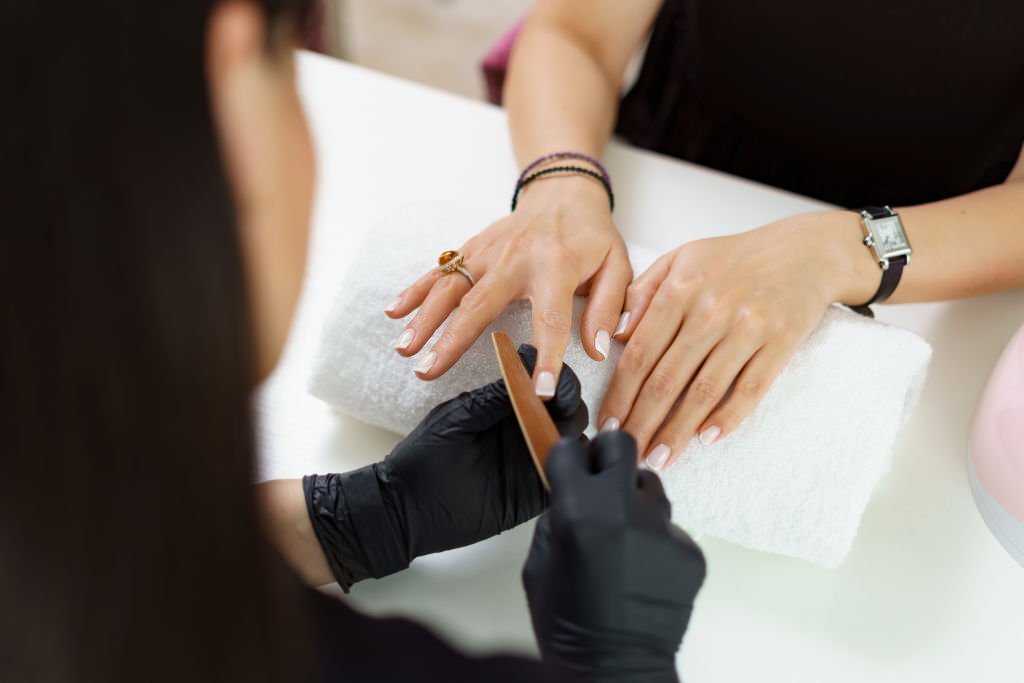
When getting our shellac removed, it’s common for the nail technician to use a nail file to scrape off the top layer of the polish, which can be a rough and uncomfortable process. This scraping and buffing process can cause soreness and discomfort in our nails, especially if it’s done aggressively or if we have thin or weak nails. The scraping can also remove some of the top layer of our natural nails, which can make them more prone to damage and breakage.
To prevent damage and soreness during the shellac removal process, we can ask our nail technician to be gentle and use a fine-grit nail file. We can also request that they use an alternative removal method, such as soaking our nails in acetone or using a specially formulated shellac removal solution. These methods can be less harsh on our nails and can help prevent damage and soreness.
It’s important to remember that our nails may still be sore and sensitive after the shellac removal process, even if we take preventative measures. It’s best to avoid applying any nail polish or products for a few days after the removal to allow our nails to recover and heal. By taking these steps, we can help ensure that our nails stay healthy and strong, even after shellac removal.
Tips for Preventing and Alleviating Sore Nails
To make your next manicure experience more comfortable, try these simple tips for keeping your nails healthy and happy. Nail care is crucial, especially after shellac removal. To avoid having sore nails, it’s important to take care of your nails regularly. This means keeping your nails clean and moisturized, and avoiding harsh chemicals and tools that can damage them.
One of the best nail care tips is to moisturize your nails and cuticles regularly. This helps to keep them soft and supple, reducing the risk of cracking and soreness. You can use a cuticle oil or cream to keep your nails hydrated and healthy. Additionally, you can use a gentle, non-toxic nail polish remover to avoid damaging your nails and cuticles.
Soothing techniques can also help to alleviate soreness and discomfort after shellac removal. You can soak your nails in warm water with Epsom salt to soothe them and reduce inflammation. You can also apply a cool compress to your nails to reduce swelling and pain. By following these simple nail care tips and soothing techniques, you can keep your nails healthy and happy after shellac removal.
When to Seek Professional Help
If your nails are experiencing unusual pain or discomfort, it may be necessary to seek professional help. While it is normal to feel some tenderness after removing shellac, persistent soreness can indicate a deeper issue with your nail health. This could be due to an infection, nail trauma, or an underlying medical condition. If you notice swelling, redness, or discharge around your nails, it’s important to see a doctor or dermatologist as soon as possible.
In addition to seeking professional help, it’s important to re-evaluate your self care routine to prevent further damage to your nails. Overusing nail products such as polish removers and harsh chemicals can weaken and damage your nails, making them more susceptible to soreness and pain. It’s important to give your nails time to breathe and recover between manicures, and to use gentle, non-toxic products when possible.
Overall, nail health is an important aspect of self care that should not be overlooked. While it may be tempting to prioritize aesthetics over health, it’s important to remember that our nails can be indicators of larger health issues. If you are experiencing persistent soreness or discomfort in your nails, don’t hesitate to seek professional help and make changes to your self care routine to promote healthy, pain-free nails.
Frequently Asked Questions
Can I remove shellac polish without using acetone?
There are natural alternatives to acetone for removing shellac polish, such as using a mixture of lemon juice and vinegar. However, DIY removal can be risky and may cause damage to nails. Professional removal is recommended to avoid soreness and potential harm. Pros and cons should be weighed before making a decision.
How long should I wait before getting another shellac manicure?
We recommend waiting two weeks before getting another shellac manicure to allow your nails to recover. Switching to regular polish can also benefit your nails by reducing the risk of damage and allowing them to breathe.
What are some alternative nail treatments that won’t cause soreness after removal?
For those seeking alternative nail treatments that won’t cause soreness after removal, natural options and DIY solutions are available. Preventing nail damage through proper post treatment care is crucial for maintaining healthy nails.
Is it normal for my nails to feel sensitive after removing shellac?
If your nails feel sensitive after removing shellac, it is common. Preventing sensitivity involves proper nail care, such as moisturizing and avoiding harsh chemicals. Understanding nail damage causes and prevention is also important.
How often should I have my shellac manicure removed to avoid damage to my nails?
To maintain nail health and prevent damage, we recommend having shellac manicures removed every two to three weeks. This allows time for nails to recover and grow, reducing the chances of sensitivity and soreness after removal.