
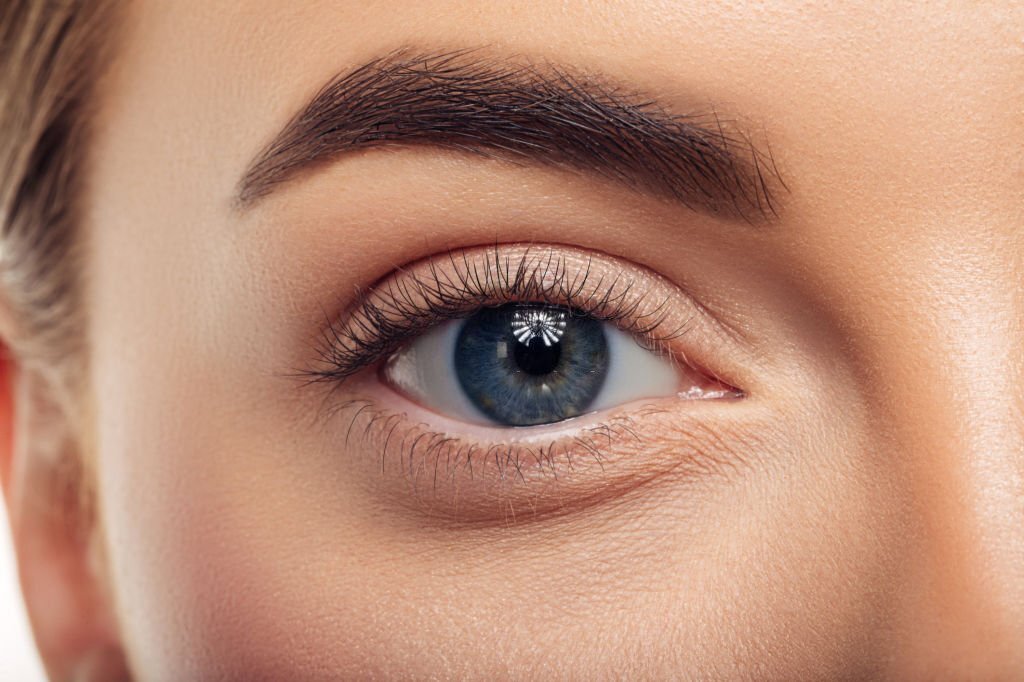
When it comes to enhancing our natural beauty, eyelashes are an essential aspect that we cannot overlook. Long and luscious eyelashes can make a significant difference in our appearance and boost our confidence. However, not everyone is blessed with naturally thick and long eyelashes. That’s where eyelash growth oils come in handy. Olive oil and castor oil are two popular natural oils that are believed to promote eyelash growth. In this article, we will explore which oil is better for eyelashes and why.
Before we dive into the effectiveness of olive oil and castor oil for eyelash growth, let’s understand their benefits. Both oils are rich in essential fatty acids, vitamins, and minerals that nourish and strengthen the eyelashes. Olive oil is known for its anti-inflammatory and antioxidant properties that can help prevent damage and promote hair growth. On the other hand, castor oil contains ricinoleic acid, which is a potent fatty acid that can stimulate hair growth and prevent hair loss. By using these oils regularly, you can improve the overall health and appearance of your eyelashes.
Key Takeaways
- Both olive oil and castor oil are natural oils that can promote eyelash growth and strengthen lashes.
- Olive oil has anti-inflammatory and antioxidant properties, while castor oil contains ricinoleic acid that can stimulate hair growth and prevent hair loss.
- Studies suggest that olive oil may be more effective than castor oil for promoting eyelash growth due to its high levels of oleic acid and vitamin E.
- It is important to patch test a small area and use pure, high-quality oil to minimize the risk of adverse reactions, and consistent and proper application is key to achieving desired results with either oil.
Benefits of Olive Oil for Eyelash Growth
You’ll be amazed at how quickly your eyelashes grow with olive oil – it’s a game changer! When it comes to choosing between olive oil and castor oil for eyelash growth, many people wonder which is the better option. While both oils are effective in promoting eyelash growth, there are some key differences to consider.
One of the biggest advantages of using olive oil over castor oil is that it is more easily accessible and affordable. Olive oil is a common household item found in most kitchens, while castor oil may require a trip to the store or online purchase. Additionally, olive oil is typically less expensive than castor oil, making it a more budget-friendly option.
Another benefit of using olive oil for eyelash growth is that it can be used as a natural alternative to mascara. Olive oil can be applied to the lashes with a clean mascara wand, providing a subtle tint and nourishing the lashes at the same time. This is a great option for those who prefer a more natural look, or for those who have sensitive eyes and cannot tolerate traditional mascara.
While both olive oil and castor oil are effective in promoting eyelash growth, olive oil may be the better choice for those seeking a more affordable and natural option. With its accessibility and versatility, olive oil is worth a try for anyone looking to enhance their lashes.
Benefits of Castor Oil for Eyelash Growth
Get ready to discover the amazing perks of using castor oil for eyelash growth! When it comes to natural eyelash growth remedies, castor oil is often considered as a top choice. Unlike olive oil, castor oil is known for its high concentration of ricinoleic acid which has been proven to promote hair growth.
Castor oil is also rich in vitamin E, omega-6 and 9 fatty acids, and minerals that are essential for healthy hair growth. These nutrients are believed to nourish and strengthen hair follicles, which ultimately leads to longer, thicker, and stronger lashes. Additionally, castor oil has natural antifungal and antibacterial properties that help prevent infections that could hinder eyelash growth.
Compared to olive oil, castor oil has a thicker consistency that makes it easier to apply and stay on the lashes. It also contains triglycerides that allow the oil to penetrate deep into the hair shaft, nourishing the hair from the inside out. Overall, castor oil is a great natural remedy to help improve the appearance of your lashes and promote healthy growth.
Effectiveness of Olive Oil for Eyelash Growth
We found it necessary to discuss the effectiveness of olive oil for eyelash growth, given that it is often compared to castor oil. To evaluate its effectiveness, we looked into studies conducted on the subject, as well as user testimonials. Additionally, we researched best practices for application to maximize its potential benefits.
Evidence from Studies
Based on studies, there is evidence that suggests olive oil may be more effective than castor oil for promoting eyelash growth. In a comparison study with coconut oil, researchers found that olive oil had a greater impact on eyelash length and thickness. This is likely due to the high levels of oleic acid and vitamin E found in olive oil, which are known to nourish and strengthen hair follicles.
It is important to note that while olive oil has been found to be effective for promoting eyelash growth, there are safety concerns to consider. Applying any type of oil to the delicate skin around the eyes can cause irritation or allergic reactions. It is recommended to patch test a small area before using olive oil on the eyelashes and to avoid getting the oil in the eyes. Additionally, it is important to use pure, high-quality olive oil to ensure the best results and minimize the risk of adverse reactions.
User Testimonials
You might be surprised to hear what others have to say about their experience using natural remedies like olive oil or castor oil to enhance their eyelashes. Personal experiences have shown that both oils have been effective in promoting lash growth and thickness when applied consistently over a period of time.
Many users have shared their before and after photos online, showcasing the significant difference in their lash length and volume after incorporating either of these oils into their daily beauty routine. Some have even reported that their lashes feel healthier and stronger as a result. However, it’s important to note that individual results may vary and it’s always best to consult with a healthcare professional before trying any new natural remedies.
Best Practices for Application
To get the most out of your natural lash-enhancing routine, it’s important to follow these best practices for application. First, proper technique is key. When applying either olive oil or castor oil to your eyelashes, use a clean mascara wand or cotton swab to gently coat the lashes from root to tip. Be sure to avoid getting any oil in your eyes, as this can cause irritation.
In terms of frequency for application, it is recommended to apply the oil at least once a day, preferably at night before bed. This allows the oil to fully penetrate the lashes without interruption from makeup or other products. However, it’s important to note that over-application of the oil can lead to clogged pores, which can hinder lash growth. As with any product, it’s best to start with a small amount and gradually increase as needed. Precautions to keep in mind include watching for any signs of irritation or allergic reaction, and discontinuing use if necessary. Additionally, while rare, some individuals may experience side effects such as redness or swelling. If you experience any discomfort, discontinue use and consult a medical professional.
Effectiveness of Castor Oil for Eyelash Growth
Imagine applying a small amount of castor oil to your eyelashes each night and waking up to longer and fuller lashes in just a few weeks. This is the promise of castor oil as an effective natural remedy for eyelash growth. Despite some castor oil myths, scientific evidence suggests that this oil can indeed help improve the length and thickness of eyelashes.
Compared to other natural remedies, castor oil has been found to be more effective in promoting eyelash growth. This is due to its high concentration of ricinoleic acid, a fatty acid that has been shown to stimulate hair growth. Castor oil also contains vitamin E and other essential fatty acids that help nourish and moisturize the lashes, making them stronger and less prone to breakage.
However, it is important to note that consistent and proper application is key to achieving the desired results. Applying castor oil to the lashes every night before bed is recommended, using a clean mascara wand or cotton swab. Results may vary from person to person, but with patience and persistence, castor oil can be a safe and effective way to enhance the natural beauty of your eyelashes.
Frequently Asked Questions
Can olive oil or castor oil be used for eyebrow growth as well?
We recommend using either olive oil or castor oil for eyebrow growth. Both oils have proven to be effective and safe. When using natural oils for eyelash and eyebrow growth, it is important to consider the pros and cons.
Can the use of olive oil or castor oil cause any allergic reactions or side effects?
When using castor oil or olive oil for cosmetic purposes, there is a possibility of allergic reactions. It is important to do a patch test and take necessary precautions before using them.
How long does it take to see results from using olive oil or castor oil on eyelashes?
When using natural remedies for eyelash growth, the frequency of application is key. Results vary among individuals, but consistent use of any natural oil can yield visible results within 4-6 weeks. Comparing olive oil and castor oil, both have been shown to be effective choices.
Can olive oil or castor oil be used as a substitute for mascara or eyelash extensions?
Natural alternatives such as olive oil or castor oil can be used as a substitute for mascara or eyelash extensions. However, it is important to note that the long term effects may vary and it may take some time to see results.
Is it recommended to use both olive oil and castor oil together for better eyelash growth results?
Combining oils may promote eyelash growth, but there are potential risks such as irritation and allergic reactions. It’s important to do a patch test and consult with a dermatologist before using both olive and castor oil together.