
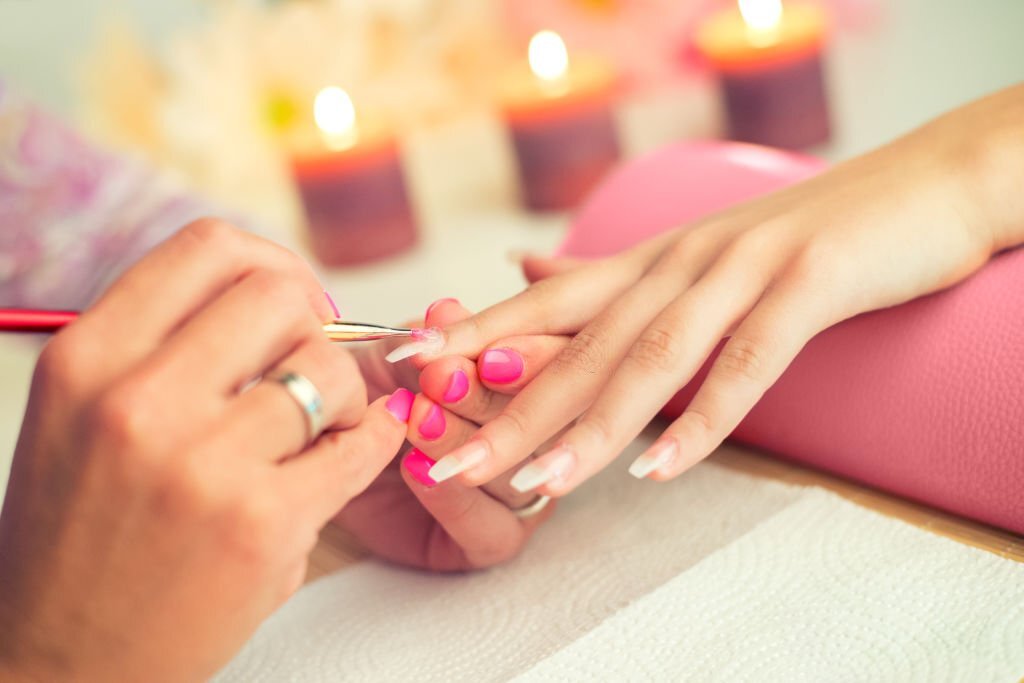
Have you ever experienced a burning sensation in your nails after getting acrylics? If so, you’re not alone. Many people have reported feeling discomfort or pain during or after the application of acrylic nails. As a team of experts in the beauty industry, we understand the importance of educating ourselves and our clients on the potential causes of this burning sensation and how to prevent it from happening.
One of the main causes of a burning sensation during or after getting acrylics is improper preparation of the nails. If the nail bed is not properly cleaned and dehydrated before applying the acrylic, it can cause a chemical reaction that leads to discomfort or pain. Additionally, using low-quality products or applying the acrylic too thickly can also cause a burning sensation. It’s important to research and choose a reputable salon that uses high-quality products and follows proper application techniques to minimize the risk of experiencing discomfort or pain during or after getting acrylics.
Key Takeaways
- Burning sensation during acrylic application can be caused by several factors such as improper nail preparation, low-quality products, thick application of acrylic, and chemicals in acrylic products.
- Prevention and maintenance of healthy nails can be achieved through good nail health maintenance, choosing a reputable salon, avoiding harmful chemicals, keeping nails clean and dry, leaving cuticles to professionals, moisturizing nails and cuticles, effective communication with nail technician, strengthening nails through supplements and diet, choosing nail-friendly and non-toxic products, proper nail hygiene with professional tools, and taking care of nails after acrylics.
- Gel nails can be a good alternative to acrylics, and tips for healthy natural nail growth include maintaining a healthy diet, avoiding harsh chemicals, and avoiding biting or picking at nails.
- It is important to prioritize nail health as healthy nails have several benefits, and acrylics can have negative effects on nail health as compared to gel nails. Therefore, overall importance of nail health should not be neglected.
Causes of Burning Sensation
You might feel a burning sensation on your nails when getting acrylics due to the chemicals used in the process. Acrylics consist of a combination of chemicals that are used to create the solid material that is applied to your natural nails. This mixture usually includes substances such as ethyl methacrylate (EMA) or methyl methacrylate (MMA), which can cause a burning sensation on your nails.
Although acrylics are generally safe for most people, some individuals may experience an allergic reaction to the chemicals used in the process. This reaction can cause symptoms such as itching, redness, and swelling, which may result in a burning sensation on your nails. If you have a history of allergies or sensitive skin, it’s important to inform your nail technician before getting acrylics.
It’s important to maintain good nail health when getting acrylics to prevent any potential burning sensation. This includes keeping your nails clean and dry, avoiding biting your nails or picking at your cuticles, and applying a moisturizer to your hands and nails regularly. By taking these steps, you can help reduce your risk of experiencing a burning sensation or any other negative effects when getting acrylics.
Importance of Researching Salons
Before visiting a salon, it’s crucial to research and read reviews to ensure that you receive quality service and avoid any potential harm to your hands. Finding reputable salons can be a daunting task, but it’s necessary to protect yourself from subpar and unsanitary services. It’s important to look for salons that have a clean and organized workspace, use high-quality products, and have certified technicians.
One of the risks of getting acrylics is the potential exposure to harmful chemicals in the products used. These chemicals can cause a burning sensation and other allergic reactions. To avoid this, it’s essential to find salons that use high-quality, non-toxic products. Reputable salons will provide information about the products they use and their safety measures to ensure that their clients are not exposed to any harmful chemicals.
Overall, it’s crucial to prioritize safety when choosing a salon for acrylics. Avoiding harmful chemicals in acrylic products is just one part of the equation. Researching and finding reputable salons will help ensure that you receive quality service and avoid any potential harm to your hands. Take the time to read reviews, ask questions, and do your due diligence before choosing a salon for your acrylics.
Preparing Your Nails
Before getting acrylics, it’s essential to prepare your nails to ensure a smooth and safe process. We always keep our nails clean and dry to prevent any bacterial or fungal infections. Cutting cuticles is a big no-no as it can lead to infections and inflammation; instead, we push them back gently. Lastly, moisturizing our nails and cuticles helps to keep them hydrated and healthy, making the acrylic application process much smoother.
Keep Nails Clean and Dry
To prevent burning sensations during acrylic application, it’s important to keep your nails clean and dry. This means avoiding any excess moisture or oils that can interfere with the bonding process of the acrylics. Before applying the acrylics, make sure to thoroughly wash your hands and nails with soap and water. Use a soft-bristled brush to gently scrub your nails, paying close attention to the cuticle area where dirt and bacteria can accumulate.
In addition to keeping your nails clean, it’s also important to choose the right nail products to prevent infections and irritation. When selecting nail polish, base coats, and top coats, look for products that are labeled as “nail-friendly”or “non-toxic.”Avoid using products that contain harsh chemicals or ingredients that can dry out your nails or cause allergic reactions. By taking these steps to keep your nails clean and healthy, you can minimize the risk of burning sensations and other discomforts during acrylic application.
Avoid Cutting Cuticles
If you want healthy cuticles, avoid cutting them yourself. Cutting the cuticles can lead to infections and inflammation. Instead, push them back gently with a cuticle pusher. Make sure to use only professional tools and products to maintain nail hygiene. Using sharp or unclean tools can cause injuries and infections.
Cutting cuticles not only damages the skin but also leaves the nails vulnerable to fungus and bacteria. In addition, it takes around two weeks for cuticles to grow back, which can affect the overall appearance of your nails. Therefore, it’s best to leave cuticle cutting to the professionals. By following proper nail hygiene and using professional tools, you can keep your nails healthy and beautiful.
Moisturize Nails and Cuticles
Now that we know to avoid cutting our cuticles when getting acrylics, let’s talk about the importance of moisturizing our nails and cuticles. Dry and brittle nails are more prone to breakage and damage, which can cause sensitivity and discomfort during the acrylic application process. As a result, it’s essential to make nail care a priority and incorporate moisturizing into our routine.
One way to nourish our nails and cuticles is by applying a hydrating lotion or oil regularly. This will help to prevent dryness and promote healthy growth. Additionally, incorporating nail strengthening treatments into our routine can provide more long-term benefits. These treatments often contain key ingredients such as keratin and biotin, which help to strengthen and protect the nails from damage. By taking care of our nails and cuticles, we can not only prevent discomfort during an acrylic application but also promote strong and healthy nails in the long run.
Communicating with Your Nail Technician
When you’re talking to your nail technician, make sure to communicate any discomfort you may be feeling during the acrylic application process. Proper etiquette is crucial when communicating with your nail technician. Be respectful and polite, but don’t be afraid to express your concerns. Your nail technician is there to help you, and they want you to be comfortable throughout the process.
Communication techniques can vary depending on the individual. Some people may find it helpful to use visual aids, such as pointing to the area that is causing discomfort. Others may prefer to use descriptive language to explain the sensation they are experiencing. It’s important to find what works best for you and your nail technician. Remember, they may not be able to read your mind, so it’s up to you to communicate effectively.
Common misunderstandings and language barriers can also play a role in communication with your nail technician. If you are not fluent in the language that your nail technician speaks, consider bringing a translator with you. Additionally, don’t be afraid to ask for clarification if you don’t understand something. Remember, your nail technician wants you to have a positive experience, so they will do everything they can to ensure that you are comfortable and informed. By communicating effectively, you can help your nail technician provide you with the best possible service.
Taking Care of Your Nails After Acrylics
After getting acrylics, it’s important to properly maintain your nails to ensure they stay healthy and strong. One of the most important things you can do is to strengthen your nails. This can be done through a variety of techniques, such as using a nail strengthener, taking biotin supplements, and eating a healthy diet rich in vitamins and minerals.
Using a nail strengthener can help to fortify your nails and prevent them from becoming brittle and weak. Look for a product that contains ingredients like keratin, calcium, and vitamin E. Additionally, taking biotin supplements can help to improve the overall health of your nails, as biotin is known to promote healthy nail growth. Finally, eating a diet rich in vitamins and minerals can help to keep your nails strong and healthy. Foods like spinach, almonds, and salmon are all great choices.
If you’re looking for an alternative to acrylics, there are a few options to consider. One popular choice is gel nails, which are similar to acrylics but are less damaging to the nails. Unlike acrylics, gel nails do not require any filing or buffing of the natural nail, which can help to prevent damage and promote healthy nail growth. Another option is to simply go without any artificial nails and focus on keeping your natural nails healthy and strong. This can be done by following the tips mentioned above, as well as by avoiding harsh chemicals and wearing gloves when doing housework or other activities that may damage your nails.
Frequently Asked Questions
Can acrylics cause permanent damage to my nails?
Acrylics can cause damage to nail health if not applied or removed properly. Prevention measures include using a reputable salon, avoiding harsh chemicals, and taking breaks between applications. Consulting with a professional can also help maintain nail health.
What should I do if I experience a burning sensation during the acrylic application process?
If you experience burning during acrylic application, inform your technician immediately. Relief options include soaking in cool water, applying aloe vera, or taking painkillers. Prevention techniques involve proper nail prep and product application.
How long does it take for the burning sensation to go away?
The burning sensation during acrylic application typically subsides within a few minutes to a few hours. Causes of nail burning sensation can include improper preparation or excessive pressure. Tips to alleviate discomfort during acrylic application include using a quality primer and avoiding over-filing the nails.
Can I get acrylics if I have sensitive skin?
If you have sensitive skin, it’s important to take precautions before getting acrylics. Ask your nail technician to use a sensitive formula, avoid soaking your nails for too long, and consider alternative treatments like gel or dip powder.
Are there any alternative nail treatments that don’t cause a burning sensation?
Gel and dip are gentler than acrylics. DIY options like using strengthening polishes can work, but may not provide the same look. Always prep nails properly and avoid harsh chemicals.