
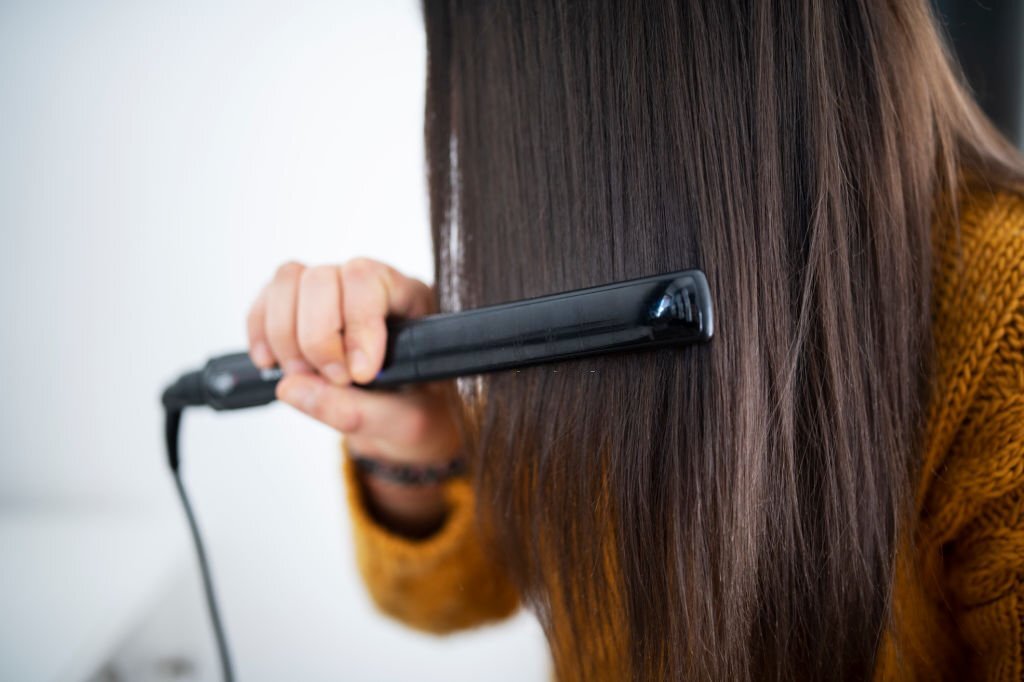
Have you ever spent hours straightening your hair, only to have it poof up within minutes of stepping outside? It’s frustrating, and it can be difficult to understand why it’s happening. As an AI language model, we have the knowledge to explain the science behind poofy hair and offer tips on how to prevent and manage it.
Hair is made up of a protein called keratin. The structure of keratin varies between individuals, which is why some people have curly hair and others have straight hair. When we straighten our hair, we use heat to break down the bonds that hold the hair’s natural shape. However, when we expose our hair to moisture, the bonds can reform, causing the hair to revert to its natural shape. This is why poofy hair is often more noticeable on humid or rainy days. But don’t worry, there are ways to prevent and manage poofy hair after straightening.
Key Takeaways
- Poofy hair after straightening can be caused by humidity and disrupted hydrogen bonds.
- Using anti-humidity products, choosing the right hair products, and proper sectioning can help manage poofy hair.
- Heat protectants, hair serums and oils, and using the right temperature setting can prevent damage and add shine to hair.
- Achieving a sleek straightened hairstyle requires proper technique, quality products, and choosing the right straightening tool for hair type and texture.
Understand the Science Behind Hair
When you straighten your hair, the heat causes the hydrogen bonds in your hair to break, which leads to a temporary straightening effect. However, as your hair cools down, the bonds reform, causing your hair to go back to its natural state. This is why your hair may become poofy again after straightening it.
To understand why your hair becomes poofy after straightening it, it’s important to know the structure of your hair. Each strand of hair is made up of three layers: the cuticle, cortex, and medulla. The cuticle is the outermost layer of your hair and protects the inner layers. The cortex is the middle layer and gives your hair its strength and texture, while the medulla is the innermost layer and is only present in some hair types. When you straighten your hair, the heat penetrates the cuticle and cortex layers, causing the hydrogen bonds to break.
Humidity can also have an effect on your hair after straightening it. When the air is humid, the moisture in the air can penetrate the cuticle layer of your hair, causing the hair to swell and become poofy. This is because the swelling disrupts the hydrogen bonds that were formed during the straightening process. This is why it’s important to use anti-humidity products after straightening your hair to prevent it from becoming poofy.
Invest in Quality Hair Products
When it comes to maintaining healthy and beautiful hair, investing in quality hair products is key. We’ve found that choosing the right shampoo and conditioner, using heat protectants, and applying hair serums and oils can make a significant difference in the overall health and appearance of our hair. By incorporating these products into our hair care routine, we can protect our hair from damage and enhance its natural shine and texture.
Choosing the Right Shampoo and Conditioner
Using the right shampoo and conditioner is crucial in taming that poofy hair after straightening, so don’t skip out on the necessary hair care steps. When choosing a shampoo and conditioner, it’s important to look for products that are specifically formulated for your hair type. If you have naturally curly or frizzy hair, opt for a smoothing or anti-frizz shampoo and conditioner.
It’s also important to avoid certain ingredients that can contribute to poofy hair, such as sulfates and alcohol. These ingredients can strip your hair of its natural oils and leave it feeling dry and frizzy. Professional recommendations often suggest looking for products that contain natural ingredients like argan oil, coconut oil, and shea butter, which can help moisturize and smooth your hair. With the right shampoo and conditioner, you can help keep your hair looking sleek and straight, even after heat styling.
Using Heat Protectants
To protect your locks from damage, you’ll want to make sure you’re using a heat protectant before reaching for your straightener. The benefits of using a heat protectant are numerous: it helps to prevent split ends, breakage, and dryness caused by high temperatures. These products work by creating a barrier between your hair and the heat of your styling tool, effectively minimizing the damage that can occur during the styling process.
When choosing a heat protectant, you’ll want to look for products that contain ingredients like silicone, which helps to coat the hair and protect it from heat damage. Other ingredients to look for include keratin and panthenol, which help to strengthen and moisturize the hair. It’s important to choose a product that is specifically designed for use with heat styling tools, as these will provide the most effective protection. By incorporating a heat protectant into your hair care routine, you can enjoy the benefits of perfectly straightened hair without the damage that can come with it.
Applying Hair Serums and Oils
For a glossy, healthy look, consider adding hair serums and oils to your styling routine. These products can help to smooth out frizz and add shine to your hair, which can help to counteract the poofy effect that you may experience after straightening. However, it is important to choose the right serums and oils for your hair type to avoid overloading your hair with heavy products that may weigh it down or make it greasy.
When choosing serums and oils, consider your hair type. If you have fine hair, look for lightweight formulas that won’t weigh your hair down. For thick or curly hair, consider using a heavier oil or serum to help tame frizz and add weight to your hair. When applying these products, start with a small amount and work it through your hair from the ends upwards. This will help to distribute the product evenly and prevent it from building up in one area. Remember, a little goes a long way when it comes to hair serums and oils, so start with a small amount and add more if necessary.
Use Proper Straightening Techniques
When it comes to straightening our hair, we want to make sure we’re doing it right. That means choosing the right straightening tool, applying the right amount of heat, and sectioning our hair properly. We’ve learned that investing in quality hair products is important, but the technique we use is just as crucial. Let’s dive into these key points to achieve the perfect straightened look.
Choosing the Right Straightening Tool
Get the right straightening tool and you’ll finally say goodbye to that frustrating poofy hair after styling. The type of straightening tool you choose can make a big difference in the final result of your hairstyle. For example, if you have thick, curly hair, a flat iron with wider plates may work better for you. On the other hand, if you have fine hair, a straightening brush may be a better option as it is less likely to cause damage or breakage.
When choosing the right straightening tool, consider your hair texture options and straightening frequency suggestions. If you have coarse or thick hair, a straightening tool with high heat settings may be necessary to achieve a smooth, sleek style. However, if you have fine or thin hair, a lower heat setting may be sufficient to avoid damaging your hair. Additionally, if you straighten your hair frequently, it is important to choose a tool that is gentle on your hair to prevent long-term damage. Overall, by choosing the right straightening tool for your hair type and needs, you can achieve a gorgeous, frizz-free style that lasts all day.
Applying the Right Amount of Heat
Achieving a sleek and shiny hairstyle requires using the appropriate amount of heat while straightening your hair. Proper heat application is essential to prevent damage to your hair, which can lead to a poofy appearance. When straightening your hair, it’s important to use a flat iron that has adjustable heat settings. This way, you can control the amount of heat that’s applied to your hair.
Before using a flat iron, it’s crucial to apply a heat protectant spray or serum to your hair. This will create a barrier between the heat and your hair, preventing damage. It’s also important to section your hair and only apply heat to one section at a time. This will ensure that each section is evenly straightened and reduce the amount of heat that’s applied to each strand. By following these tips, you can achieve a sleek and straight hairstyle without causing damage to your hair.
Sectioning Your Hair Properly
Properly sectioning your locks is key to achieving a flawless and polished hairstyle that will turn heads. When straightening your hair, it’s important to divide it into small sections that are easily manageable. This not only ensures that every strand is straightened, but also prevents the hair from getting tangled or knotted. The size of the sections will depend on your hair texture and type. For those with thicker hair, it’s best to section off smaller portions to ensure that each strand is evenly heated and straightened. On the other hand, those with finer hair can section off larger portions, as their hair is more easily manageable.
Another important aspect of proper sectioning is to start from the bottom and work your way up. This means that you should begin with the hair at the nape of your neck and move upwards towards the crown. This ensures that the hair at the top of your head, which is more visible, is straightened last and is given extra attention to ensure it’s perfectly smooth. By following this technique, you’ll be able to achieve a sleek and polished look that will last all day. Proper sectioning is a crucial step in achieving a flawless straightened hairstyle, so take the time to divide your hair correctly and you’ll see the results in no time.
Preventing Poofy Hair After Straightening
To avoid poofy hair after straightening, try using a heat protectant spray before you start styling. Not only does it protect your hair from damage caused by heat, but it also helps to prevent frizz and tame flyaways. Make sure to evenly distribute the spray throughout your hair, especially on the ends where damage is often most visible.
Another tip to prevent poofy hair after straightening is to use a flat iron with ceramic plates. This type of flat iron distributes heat more evenly, reducing the likelihood of hot spots that can cause damage and frizz. Additionally, make sure to use the right temperature setting for your hair type. Fine or damaged hair requires a lower temperature, while thicker or coarser hair can handle a higher temperature.
Don’t forget to finish off your straightened hair with a lightweight hair serum or oil. This will add shine and help to lock in moisture, preventing your hair from becoming dry and poofy. Apply a small amount to your fingertips and run it through the ends of your hair, avoiding the roots to prevent greasiness. With these tips, you’ll be able to keep your hair looking sleek and straight for longer, without any unwanted poofiness.
Managing Poofy Hair After Straightening
Dealing with frizz and flyaways can be a frustrating experience, but there are simple solutions to manage them after straightening your locks. Hairstyles for poofy hair can be your best bet to tame those wild strands. One option is to tie your hair into a sleek ponytail or a chic bun. These hairstyles not only keep your hair under control but also give you a polished and sophisticated look.
Dealing with humidity and poofy hair can be quite a challenge, but there are a few tricks you can try at home. Applying a hair serum or oil can help keep your hair smooth and shiny. Additionally, you can use a hairspray or hair gel to keep the frizz at bay. It’s important to remember not to apply too much product, as this can weigh your hair down and make it look greasy.
Another way to manage poofy hair after straightening is to use a wide-tooth comb instead of a brush. This will help prevent breakage and further damage to your hair. Additionally, avoid touching your hair too much after straightening, as this can add oil and moisture to your strands, causing them to become poofy once again. With these simple tips and tricks, you can say goodbye to poofy hair and hello to sleek and polished locks.
Frequently Asked Questions
Can I prevent my hair from becoming poofy after straightening without using any hair products?
To prevent poofy hair after straightening without products, we focus on pre-straightening hair care. Use a moisturizing shampoo and conditioner, and avoid towel-drying. Simple hairstyles for poofy hair include braids and buns.
Will using a heat protectant before straightening prevent my hair from becoming poofy?
Using a heat protectant before straightening can help prevent damage and minimize poofiness. Benefits of heat protectant include reduced breakage and frizz. Alternatives to heat styling products include air drying and using low heat settings.
How frequently should I wash my hair to prevent it from becoming poofy after straightening?
To prevent poofiness after straightening, consider your hair type and frequency of washing. Oily hair may require more frequent washing, while dry hair benefits from less frequent washing. Experiment to find the right balance.
Is it better to straighten wet or dry hair to prevent poofiness?
When straightening hair, it’s best to start with dry hair to prevent poofiness. Blow drying with a heat protectant can help. To maintain straight hair longer, use a silk pillowcase and avoid touching or brushing too much.
Are there any natural remedies or home remedies that can help manage poofy hair after straightening?
Natural ingredients found in hair masks can help manage poofy hair after straightening. Ingredients like avocado, coconut oil, and honey can provide moisture and nourishment to the hair, reducing frizz and increasing shine.