
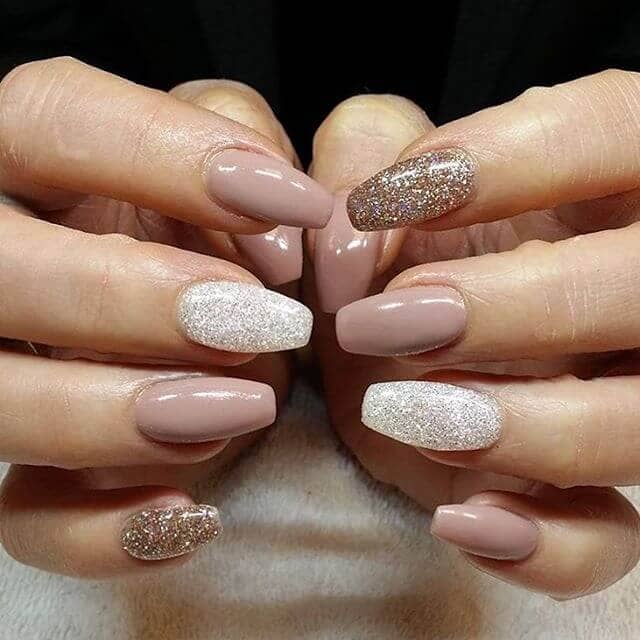
Acrylic overlays are a popular nail treatment that I have been curious about for a while now. After doing some research and talking to friends who have had the treatment done, I finally decided to give it a try. And let me tell you, I am absolutely in love with my new nails!
Acrylic overlays are a type of nail enhancement that involve adding a layer of acrylic over your natural nails. The result is a smooth, durable surface that can be painted and decorated just like regular nails. But there’s more to acrylic overlays than just a pretty finish. In this article, we’ll explore the process of getting acrylic overlays, how to maintain them, and how they compare to other types of nail treatments. So, if you’re curious about acrylic overlays like I was, keep reading!
Key Takeaways
- Acrylic overlays are a type of nail enhancement that are durable and customizable, but can damage natural nails if not applied or removed properly.
- Maintenance of acrylic overlays involves filing or buffing, and moisturizing and avoiding picking or biting nails is important for upkeep.
- Proper understanding of the differences between types of nail enhancements is crucial when choosing a type, and finding a qualified and licensed technician is important for safe and high-quality services.
- When maintaining acrylic overlays, it is important to avoid harsh chemicals, use specific maintenance products, and check for credentials and quality of the technician’s work.
Understanding Acrylic Overlays
Want to know how to get a flawless, long-lasting manicure? Try acrylic overlays – they’re a game changer! Acrylic overlays are a type of nail enhancement that is applied over your natural nails. They are made from a mixture of liquid and powder that hardens when exposed to air. Acrylic overlays are a popular choice for those who want to add length and strength to their nails.
One of the advantages of getting acrylic overlays is that they are very durable. They can last up to three weeks without chipping or cracking, making them ideal for those who don’t have time for regular touch-ups. Acrylic overlays are also very versatile – they can be shaped and customized to suit your individual style and preference. However, one of the disadvantages of acrylic overlays is that they can cause damage to your natural nails if not applied or removed properly. It’s important to have a trained professional apply and remove your acrylic overlays to avoid any damage.
Another advantage of acrylic overlays is that they can be easily maintained. You can simply file or buff any imperfections that may appear over time. They are also resistant to water, which means you can wash your hands and do dishes without worrying about ruining your manicure. However, one of the disadvantages of acrylic overlays is that they can be quite thick and heavy, which can make your nails feel bulky and uncomfortable. It’s important to find a balance between thickness and comfort to ensure that your nails feel and look great.
Overall, acrylic overlays are a great option for those who want a long-lasting, durable manicure. While they do have their advantages and disadvantages, if applied and maintained correctly, they can provide a flawless, customized look that lasts for weeks.
The Process of Getting Acrylic Overlays
When we get acrylic overlays, the process involves preparing the natural nail first. This includes filing and buffing, and maybe even applying a primer. Then comes the application of the liquid and powder mixture, which is carefully applied to the nail. After that, comes the skillful shaping and finishing of the nail to achieve the desired look. It’s a meticulous process that requires attention to detail and skillful execution, but the end result is a beautiful and durable set of nails.
Preparing the Natural Nail
To properly prepare your natural nails for acrylic overlays, you should first gently file away any rough edges or uneven surfaces. This step is essential for ensuring that the acrylic overlay adheres smoothly to your natural nails. It’s important to file in one direction only, as filing back and forth can cause the nail to become weakened and prone to breakage. I recommend using a fine-grit file to gently remove any ridges or bumps on the nail surface.
Next, it’s crucial to take care of your cuticles before applying acrylic overlays. Cuticles play an essential role in protecting your nails from infection and bacteria. I suggest using a cuticle oil or cream to soften the skin around your nails and gently push back the cuticles with a cuticle pusher. Avoid cutting your cuticles as this can lead to infections or cause the cuticles to grow back thicker and more difficult to manage. By taking care of your natural nails and cuticles before applying acrylic overlays, you can ensure a smooth and long-lasting manicure.
Applying the Liquid and Powder Mixture
Now you’re ready to mix the liquid and powder together to create a smooth and even consistency for your nail application. This step is crucial to ensuring that your acrylic overlays turn out perfect and long-lasting. You will need to use a dappen dish to mix the liquid and powder together in the correct ratio. The consistency of the mixture should be thick enough to coat the brush but not so thick that it becomes difficult to apply. The key to getting the right consistency is to add the liquid to the powder slowly and mix it thoroughly until you achieve the desired texture.
Once you have your liquid and powder mixture ready, it’s time to apply it to your nails. Applying acrylic overlays requires proper technique to ensure that the nails are smooth and even. It’s important to start with a small amount of the mixture and work your way up from there. Apply the mixture using a brush, starting from the base of the nail and working your way to the tip. Make sure to brush the mixture evenly across the nail, avoiding any bubbles or lumps. With the right consistency of mixture and proper application technique, your acrylic overlays will turn out beautifully and last for weeks to come.
Shaping and Finishing the Nail
To shape and finish your nails, start by gently filing the tips of your nails in a rounded shape to prevent breakage and give them a polished look. Use a fine-grit nail file and work in one direction to avoid damaging the nails. Next, use a buffer to smooth out any rough edges and create a smooth surface.
Nail shaping techniques can vary depending on personal preference and the desired look. Some popular shapes include oval, square, and almond. To achieve these shapes, use a nail file to gently shape the sides of the nails and taper them towards the tip. For a more dramatic look, try a stiletto shape by filing the sides into a point and leaving the tip sharp. Once the desired shape is achieved, it’s time to choose the finishing options for acrylic overlays. Options include glossy, matte, and textured finishes, each offering a unique look to complement any style.
Maintaining Acrylic Overlays
Properly caring for acrylic overlays ensures they maintain their durability and shine. One of the most important tips for maintaining acrylic overlays is to avoid exposing them to harsh chemicals, such as household cleaners and solvents. These chemicals can cause the acrylic to break down, leading to chipping and peeling. Instead, use gentle, non-acetone nail polish remover to clean your nails.
Another key factor in maintaining acrylic overlays is keeping them moisturized. The acrylic can dry out your nails, causing them to become brittle and weak. To combat this, use a cuticle oil or hand cream regularly to keep your nails hydrated and healthy. Additionally, avoid picking or biting your nails, as this can damage the acrylic and weaken the bond between the overlay and your natural nail.
There are also specific products designed for maintaining acrylic overlays. Look for a pH-balanced nail cleanser and a high-quality top coat to protect the acrylic from chipping and fading. It’s also important to avoid over-filing the nails, as this can weaken the acrylic and cause it to lift. By following these tips and using the right products, you can enjoy beautiful, long-lasting acrylic overlays.
Comparing Acrylic Overlays to other Nail Treatments
Let’s talk about other nail treatments that you might have heard of, such as gel nails, silk wraps, and dip powder nails. Gel nails involve applying a gel polish and curing it under a UV light. Silk wraps are a type of nail extension that uses a piece of silk fabric to reinforce the natural nail. Dip powder nails involve dipping the nails into a powder and then sealing it with a top coat. Each of these treatments has its own pros and cons, so it’s important to understand the differences before choosing which one is right for you.
Gel Nails
You’ll love how gel nails give you a glossy, long-lasting finish that is perfect for any occasion. Gel nails are a type of nail enhancement that uses a gel polish to create a hard, durable layer on top of your natural nails. They are a popular choice because they are easy to apply and can last up to three weeks without chipping or peeling.
One of the most popular gel nail styles is the Angel nail, which features a pale, shimmery shade that adds an ethereal touch to your look. Another popular style is the French tip, which uses a white gel polish to create a classic, timeless look. Gel nails can also be customized with various colors, glitter, and designs to match your personal style and preferences. Overall, gel nails are a great option for anyone who wants a long-lasting, low-maintenance nail enhancement that looks great for any occasion.
Silk Wraps
Silk wraps are a fantastic option for individuals who are interested in maintaining natural-looking nails, while also enhancing their strength and durability. This type of nail care involves using a silk material that is wrapped around the nail, to reinforce its structure and protect it from damage. The benefits of silk wraps are numerous, as they provide a long-lasting and low-maintenance solution for those who want to maintain healthy and beautiful nails.
One of the primary benefits of silk wraps is their ability to add an extra layer of protection to the natural nail. This helps to prevent breakage and chipping, which can be a common issue for individuals who have weak or brittle nails. Additionally, silk wraps can also help to promote healthy nail growth, by providing a stable base for the nail to grow on. This is particularly important for individuals who have experienced damage to their nails in the past, as it allows them to recover and regrow their nails in a healthy and natural way. Overall, silk wraps are an excellent choice for anyone who wants to maintain beautiful and healthy nails, without sacrificing their natural look and feel.
Dip Powder Nails
Enhance the look of your nails with dip powder, a popular and long-lasting option for achieving a flawless manicure. Compared to acrylic overlays, dip powder nails are known for their durability and resistance to chipping. Dip powder nails are created by applying a base coat, dipping the nail into a colored powder, and then sealing it with a topcoat. This process is repeated until the desired thickness is achieved.
One of the biggest advantages of dip powder nails is their longevity. While acrylic overlays can last up to two weeks, dip powder nails can last up to a month without needing a touch-up. Additionally, dip powder nails do not require UV light to cure, making them a safer option for those who are concerned about UV exposure. Overall, if you want to achieve a long-lasting and flawless manicure, dip powder nails are a great option to consider.
Finding a Qualified Nail Technician
When it comes to finding a qualified nail technician, there are a few key things to keep in mind. First and foremost, it’s important to check for proper licensing and certification. This ensures that the technician has the necessary training and skills to provide safe and high-quality services. Additionally, reading reviews and recommendations from other clients can give you a sense of the technician’s reputation and level of expertise. Finally, asking for before and after photos can help you assess the technician’s work and determine if their style is a good fit for your personal preferences.
Checking for Proper Licensing and Certification
Before entrusting your nails to a technician, make sure they’ve got the proper licensing and certification for acrylic overlays. Checking credentials is crucial to ensure that you’re in good hands. Start by asking for their license and certification. Make sure to verify their experience and ask how long they’ve been doing acrylic overlays. You want to make sure that they have the knowledge and skillset to provide you with the best results.
It’s also essential to check if the technician is using high-quality products. Ask about the brands and materials they use for acrylic overlays. If they’re using low-quality products, it may harm your nails, causing damage and infection. A licensed technician should be able to answer all your questions and address any concerns you may have. Don’t hesitate to ask for references or look for reviews online. Remember, your nails are an investment, and you want to make sure you’re getting the best service possible.
Reading Reviews and Recommendations
To ensure a positive experience with your acrylic overlays, it’s important to do your research and read reviews and recommendations from other customers who have used the technician’s services. This can help you gauge the quality of their work, their customer service, and how they handle any issues or concerns that may arise. Additionally, reading reviews can also help you compare prices and find trustworthy sources for your acrylic overlay needs.
When reading reviews, it’s important to look for a variety of opinions and experiences. Don’t just rely on one or two positive or negative reviews, but instead read multiple reviews to get a well-rounded understanding of the technician’s work. You can also look for reviews on multiple platforms, such as social media, Google, or Yelp, to get a broader perspective. By taking the time to read reviews and recommendations, you can feel confident in your choice of technician for your acrylic overlays and ensure a positive experience.
Asking for Before and After Photos
If you want to truly understand the skill and craftsmanship of an acrylic overlay technician, ask for some before and after photos of their work. Seeing the transformation of a client’s nails can be truly inspiring and give you a clear idea of the quality of their work. These photos can also help you find inspiration for your own nails and give you an idea of what is possible with acrylic overlays.
When looking at before and after photos, pay attention to the details. Look at the shape and length of the nails, the smoothness of the acrylic, and the overall finish. If you see consistent results across multiple clients, this is a good indication of the technician’s skill and experience. Don’t be afraid to ask questions and take notes on what you like and what you don’t like. This will help you communicate your preferences to the technician and ensure that you get the results you want.
Frequently Asked Questions
Can acrylic overlays be applied over natural nails or do they require extensions?
Yes, acrylic overlays can be applied over natural nails without the need for extensions. It’s important to prep the nails properly and use a primer before application. Maintenance tips include avoiding harsh chemicals and using cuticle oil regularly to keep the nails healthy.
How long do acrylic overlays typically last before needing to be filled or removed?
Acrylic overlays typically last 2-3 weeks before needing a refill or removal. However, with proper maintenance and care, they can last up to 4-6 weeks. The longevity of acrylic overlays depends on factors such as nail growth and daily activities.
Are there any health risks associated with wearing acrylic overlays?
When wearing acrylic overlays, there is a risk of chemical exposure that can lead to nail damage or infection. It’s important to practice safe nail care, such as proper ventilation and using high-quality products.
Can acrylic overlays be removed at home or should they be professionally removed?
We strongly recommend seeking professional removal for acrylic overlays, as DIY removal can potentially damage your natural nails. Removing them at home may save money, but it’s not worth the risk of causing long-term harm.
Can nail polish or other nail treatments be used on top of acrylic overlays?
Yes, we can use gel polish or other nail treatments on top of acrylic overlays. One of the benefits of acrylic overlays is that they provide a smooth, even surface for nail polish application, resulting in a longer-lasting manicure.