
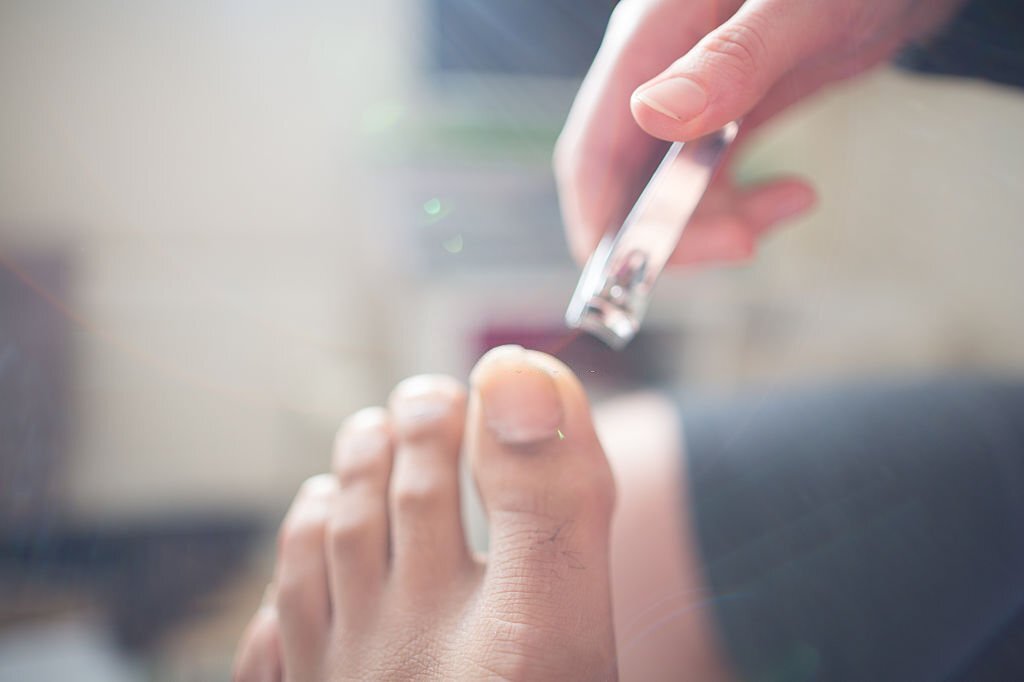
Have you ever noticed a strange odor coming from your toenails when you cut them? It’s not uncommon to experience this, and there are several reasons why it happens. In this article, we will dive into the science behind toenail odor, the factors that contribute to it, as well as prevention and treatment methods.
Firstly, it’s important to understand that toenail odor is caused by bacteria and fungus that thrive in warm, moist environments. When we cut our toenails, we are creating small openings that allow these microorganisms to release the odor they’ve been producing. While toenail odor is not necessarily harmful, it can be embarrassing and unpleasant. In the following paragraphs, we will explore the various factors that contribute to toenail odor and how to prevent it.
Key Takeaways
- Toenail odor is caused by bacteria and fungi breaking down keratin in a warm, moist environment
- Poor hygiene habits, excessive sweating, and tight shoes or socks can contribute to toenail odor
- Prevention and treatment methods include maintaining good nail hygiene, wearing breathable shoes and socks, and using antifungal cream or powder if necessary
- Other foot and nail issues, such as plantar fasciitis and ingrown toenails, may require medical attention to prevent complications.
The Science Behind Toenail Odor
When you cut your toenails, you may notice a strong odor emanating from them, which is caused by the buildup of bacteria and fungi in the nail bed. To understand why this happens, we need to look at the composition of toenails. Toenails are made up of a protein called keratin, which is also found in hair and skin. This protein provides a tough, protective layer for our nails, but it also makes them an ideal environment for microbes to thrive.
The toenail bed is a warm and moist environment, which is perfect for microbial activity. When we cut our nails, we create tiny openings in the nail bed, which allows bacteria and fungi to penetrate deeper into the nail. These microbes feed on the keratin in the nail, breaking it down and releasing volatile organic compounds (VOCs) that produce the unpleasant odor.
Toenail odor is more common in people who sweat excessively or have poor hygiene habits. Bacteria and fungi thrive in warm, moist environments, so it’s important to keep your feet clean and dry. If you notice a strong odor when you cut your toenails, it may be a sign of an underlying fungal or bacterial infection. In these cases, it’s important to seek medical attention to prevent further complications.
Factors That Contribute to Toenail Odor
Factors that contribute to the odor of toenails can include bacteria and fungus that grow in warm, moist environments. Poor nail hygiene can lead to the accumulation of dirt, sweat, and dead skin cells around the toenails, providing a perfect breeding ground for bacteria and fungi. Additionally, wearing tight shoes or socks that do not allow your feet to breathe can create a warm, moist environment for these microorganisms to thrive.
Dietary factors can also play a role in the odor of toenails. Certain foods, such as garlic and onions, contain compounds that can be excreted through the skin and toenails, causing an unpleasant odor. Furthermore, a diet high in refined sugars and processed foods can lead to an overgrowth of harmful bacteria in the gut and on the skin, which can contribute to toenail odor.
Maintaining good nail hygiene and wearing breathable shoes and socks can help prevent the growth of odor-causing bacteria and fungi. Additionally, following a healthy diet rich in fruits, vegetables, and whole grains can support a healthy gut microbiome and reduce the likelihood of toenail odor caused by an overgrowth of harmful bacteria. By taking these steps, you can keep your toes smelling fresh and clean.
Prevention and Treatment of Toenail Odor
To keep our feet smelling fresh, it’s important to maintain good foot hygiene and take proper care of our nails. One of the best ways to prevent toenail odor is to regularly clean our feet and keep them dry. We should wash our feet with soap and water every day, paying extra attention to the spaces between our toes. After washing, we should thoroughly dry our feet, using a clean towel to remove any excess moisture.
In addition to maintaining good foot hygiene, we should also take care of our nails to prevent odor. This means trimming our nails regularly and keeping them clean. When cutting our nails, we should be careful not to cut them too short, as this can cause ingrown toenails. We should also avoid sharing nail clippers or other tools, as this can spread bacteria and fungus.
If we do notice toenail odor, there are several treatment options available. One option is to soak our feet in warm water with Epsom salt or apple cider vinegar, which can help to kill bacteria and fungus. We can also use an antifungal cream or powder to treat any infections. If the odor persists despite these treatments, we should see a doctor or podiatrist, as it could be a sign of an underlying medical condition.
Common Myths About Toenail Odor
You may have heard some myths about toenail odor that are simply not true. One common myth is that toenail odor is caused by poor hygiene. While it’s true that maintaining good toenail hygiene can help prevent odor, it’s not the only factor. Toenail odor can also be caused by a variety of other factors such as sweat, bacteria, and even certain medical conditions. It’s important to understand the true causes of toenail odor in order to effectively prevent and treat it.
Another myth about toenail odor is that it can only be treated with expensive medications or professional treatments. However, there are many natural remedies available that can be highly effective in reducing odor. For example, soaking your feet in a solution of warm water and apple cider vinegar can help kill bacteria and reduce odor. Other natural remedies include using tea tree oil, baking soda, and even certain types of essential oils. By incorporating these natural remedies into your toenail hygiene routine, you can effectively manage toenail odor without breaking the bank.
It’s important to understand the truth about toenail odor in order to effectively prevent and treat it. While maintaining good toenail hygiene is important, it’s not the only factor that contributes to odor. Additionally, natural remedies can be just as effective as expensive medications in reducing odor. By incorporating these tips into your toenail hygiene routine, you can keep your feet smelling fresh and clean.
When to Seek Medical Attention
If you’re experiencing persistent discomfort or pain in your feet, it’s important to seek medical attention for proper diagnosis and treatment. While the odor of toenails after cutting them is generally normal, there are signs of infection that you should be aware of. If you notice any redness, swelling, or discharge around the nail, it’s important to see a doctor as soon as possible.
Ignoring the signs of infection can lead to possible complications, such as the spread of infection to other parts of the body. In severe cases, untreated infections can lead to amputation of the affected toe or foot. It’s important to address any foot or nail issues promptly to prevent these complications from occurring.
In addition to infections, other foot conditions can cause persistent discomfort or pain. Plantar fasciitis, heel spurs, and ingrown toenails are just a few examples of conditions that may require medical attention. If you’re experiencing any foot or nail issues, it’s best to consult with a doctor or podiatrist to determine the underlying cause and appropriate treatment plan.
Frequently Asked Questions
Can toenail odor be a sign of a more serious medical condition?
Toenail odor can be a sign of a more serious medical condition, such as a fungal infection. Medical implications include the potential for infection to spread. Treatment options include antifungal medication and proper hygiene practices to prevent recurrence.
How often should I trim my toenails to avoid odor?
Toenail hygiene is crucial in preventing odor. Trimming frequency varies based on nail growth rate, but typically every 2-3 weeks is recommended. Toenail care products, such as antifungal creams, can also aid in odor control.
Does the type of shoe I wear affect toenail odor?
The type of shoe material affects toenail odor. Shoes made of synthetic fabrics trap moisture and increase sweat production, leading to bacterial growth and odor. Opt for breathable shoes made of natural materials to prevent odor.
Are there any home remedies for treating toenail odor?
We can treat toenail odor at home with essential oils and vinegar soaks. Essential oils like tea tree oil and lavender oil have antimicrobial properties while vinegar is acidic and can neutralize odors.
Can toenail odor be prevented by changes in diet or hygiene habits?
We can prevent toenail odor by adopting good hygiene habits and making dietary changes. Proper foot hygiene, such as regularly washing and drying feet, and following a healthy diet can help prevent the growth of bacteria that causes unpleasant odors.