
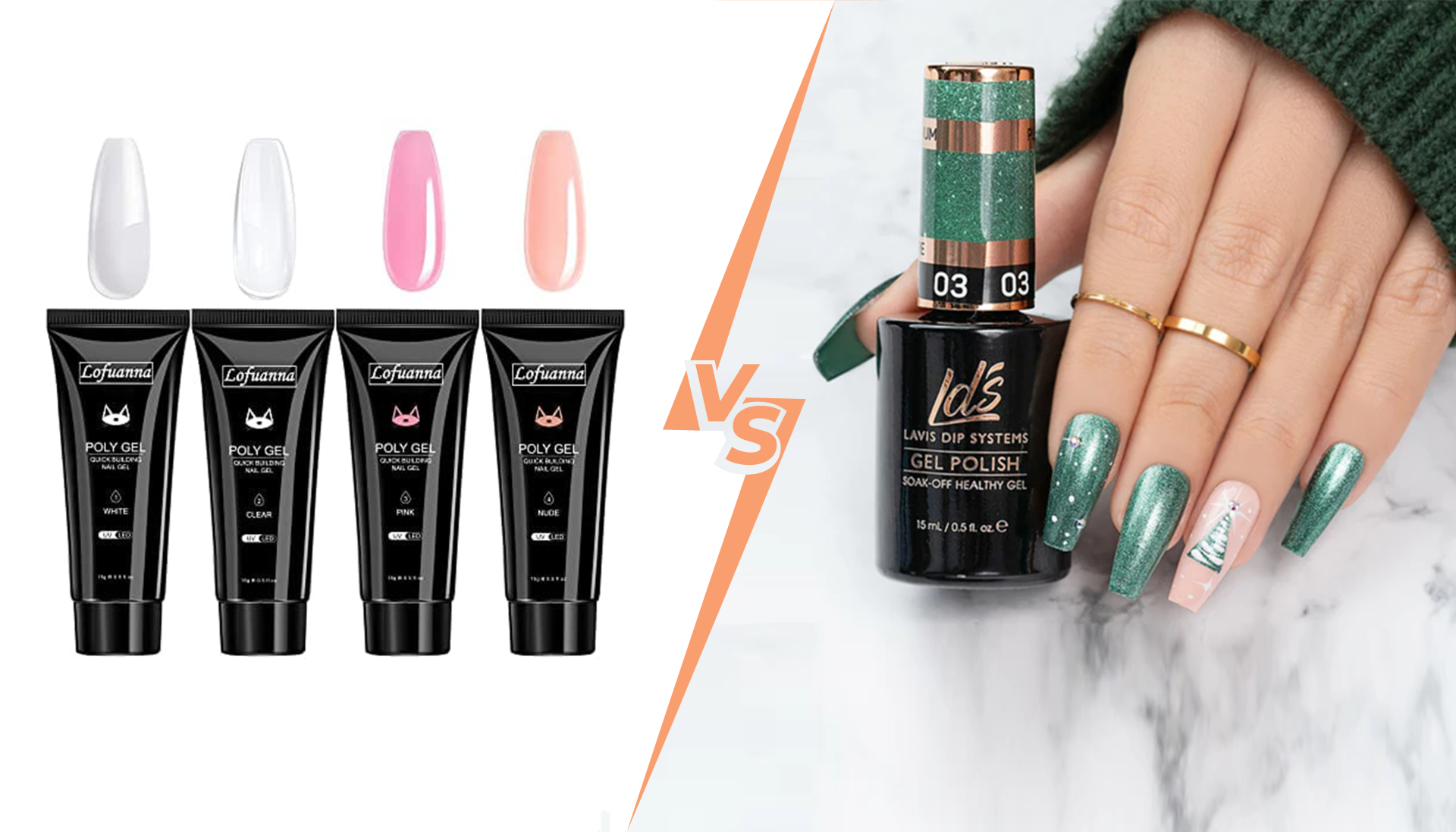
Polygel and gel manicures are two popular nail treatments that have gained significant popularity in recent years. While both options offer long-lasting and durable results, there are some notable differences between the two.
Polygel nails are a relatively new addition to the world of nail enhancements. They are a hybrid of both gel and acrylic nails, combining the best features of both. Polygel nails are applied as a putty-like substance that is molded onto the natural nail and cured under a UV lamp. They are known for their strength, flexibility, and natural-looking finish.
On the other hand, gel manicures are a type of nail treatment that involves applying a gel polish to the natural nail and curing it under a UV lamp. Gel manicures are known for their long-lasting durability and high-gloss finish. They are a popular choice for those who want to maintain their manicure for an extended period without chipping or peeling.
Understanding the differences between polygel and gel manicures can help you make an informed decision about which option is best for you. Whether you’re looking for a natural-looking finish or a high-gloss shine, both options offer unique benefits that can help you achieve your desired look.
Polygel vs Gel Manicure
Overview
Polygel and gel manicure are two types of nail treatments that have become increasingly popular in recent years. While both offer long-lasting results and a glossy finish, there are some key differences between the two that are worth considering.
Polygel is a hybrid formula that combines the durability of acrylic with the elastic application of gel. It has a putty-like consistency that allows it to be sculpted into nail extensions, making it a popular choice for those looking to add length to their nails. On the other hand, gel manicures involve applying a gel polish to the natural nail or nail tips, which is then cured under a UV or LED light to harden and create a lasting finish.
Process Comparison
The application process for polygel and gel manicure also differs. With polygel, a slip solution is used to help shape and mold the putty-like substance onto the nail. It is then cured under a UV or LED lamp to harden and set. Gel manicures, on the other hand, involve applying multiple layers of gel polish, curing each layer under a UV or LED light before applying a top coat to seal the finish.
When it comes to removal, polygel can be soaked off using acetone, similar to the process used for gel manicures. However, because polygel is a hybrid of gel and acrylic, it can be more difficult to remove and may require additional buffing or filing. Gel manicures can also be removed using acetone, but some manicurists may use a drill or other tools to speed up the process.
Pros and Cons
One of the main advantages of polygel is its durability. It is known to be stronger and more resistant to chipping than traditional gel manicures. It also allows for more customization and flexibility in terms of shaping and sculpting the nail extensions.
However, polygel can be more difficult to apply and may require more skill and experience than gel manicures. It also tends to be more expensive, as it requires a special tube of polygel and slip solution.
Gel manicures, on the other hand, are generally easier and quicker to apply and can be done at home with a DIY kit. They also tend to be more budget-friendly than polygel. However, they may not be as durable as polygel and can cause damage to the natural nail if not removed properly.
Overall, both polygel and gel manicures have their pros and cons, and the choice between the two ultimately depends on personal preference and nail safety. It is recommended to consult with a nail artist or manicurist to determine which option is best for your natural nails and desired look.
Polygel
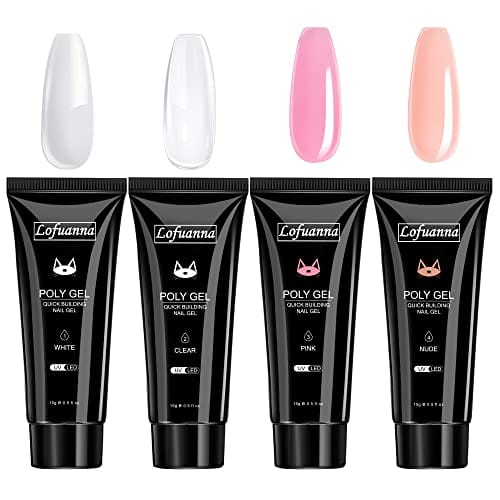
What is Polygel?
Polygel is a type of nail enhancement that combines the best features of both gel and acrylic nails. It is a gel-acrylic hybrid that is applied like a gel but has the strength of acrylic. Polygel is a relatively new product in the nail industry and has gained popularity due to its durability and flexibility. It is also lighter than acrylics, making it more comfortable to wear.
Polygel is a type of nail enhancement that is available in a range of colors and consistencies, allowing nail techs to create a variety of designs and styles. It is applied using a spatula and a brush and cured under a UV or LED light. Polygel is also available in kits that include everything needed to apply the product at home.
Application Process
The application process for polygel is similar to that of gel nails. It requires the use of a base coat, a nail form, and a dual form, which is used to shape the nail. The polygel is then applied and cured under a UV or LED light. After curing, the nail is filed and shaped to the desired length and shape. The final step is to apply a top coat to give the nail a glossy finish.
Polygel is a great option for those who want to avoid the damaging effects of acrylic nails. It is also easier to remove than acrylics and does not require the use of acetone.
Pros and Cons
Like any nail enhancement, polygel has its pros and cons. Here are a few of them:
Pros
- Polygel nails are durable and flexible, making them a great option for those with an active lifestyle.
- Polygel is lighter than acrylics, making it more comfortable to wear.
- Polygel is easier to remove than acrylics and does not require the use of acetone.
- Polygel is available in a range of colors and consistencies, allowing for a variety of designs and styles.
Cons
- The application process for polygel is more time-consuming than that of gel nails.
- Polygel is more expensive than traditional gel or acrylic nails.
- Polygel is not as strong as acrylics and may not be suitable for those who need longer nails.
- Polygel may not be suitable for those with weak or damaged natural nails.
Overall, polygel is a great option for those who want a durable and flexible nail enhancement that is easier to remove than acrylics. However, it may not be suitable for everyone and should be discussed with a nail tech before application.
Gel Manicure
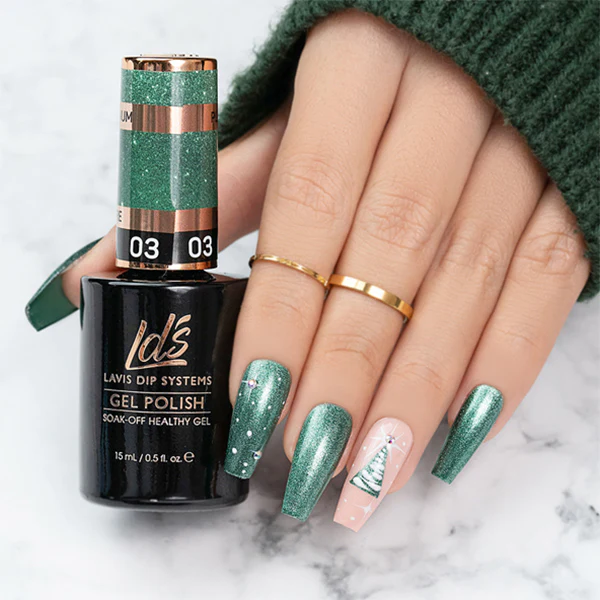
What is a Gel Manicure?
A gel manicure is a type of manicure that uses gel polish to give a long-lasting, glossy finish to the nails. The gel polish is applied in layers and cured under a UV or LED light, which helps to lock it in place. Gel manicures are popular because they last longer than traditional manicures, and they are less likely to chip or peel.
Application Process
The application process for a gel manicure is similar to that of a traditional manicure. The nails are first cleaned and buffed, and the cuticles are pushed back. A base coat is then applied, followed by two to three layers of gel polish. Each layer is cured under a UV or LED light before the next layer is applied. Finally, a top coat is applied and cured under the light. The entire process takes about an hour.
Pros and Cons
There are several pros and cons to getting a gel manicure. Some of the pros include:
- Long-lasting: Gel manicures can last up to two weeks without chipping or peeling.
- Glossy finish: Gel polish gives the nails a shiny, glossy finish that lasts.
- No drying time: Because the polish is cured under a UV or LED light, there is no drying time required.
- Easy removal process: Gel polish can be easily removed using acetone.
Some of the cons of getting a gel manicure include:
- Expensive: Gel manicures can be more expensive than traditional manicures.
- Damaging to natural nails: The removal process can be damaging to the natural nail if not done properly.
- Requires a professional: Gel manicures require a professional manicurist to apply the polish and cure it under the light.
- Limited color options: Gel polish is available in fewer colors than traditional polish.
Overall, gel manicures are a great option for those who want a long-lasting, glossy finish to their nails. However, it is important to weigh the pros and cons before deciding if a gel manicure is right for you.
Final Thoughts on Polygel vs Gel Manicure
Polygel and gel manicures are both popular options for those who want long-lasting, durable nails. While they have some similarities, they also have some key differences.
Polygel nails are a hybrid of acrylic and gel nails. They are lightweight, flexible, and have a natural-looking finish. They are also easy to apply and remove. However, they can be more expensive than other nail options, and they require a bit more skill to apply properly.
Gel manicures, on the other hand, are made from a gel-like substance that is cured under a UV lamp. They are also lightweight and durable, and they come in a variety of colors and finishes. However, they can be more damaging to the natural nail than other options, and they can be more difficult to remove.
When choosing between polygel and gel manicures, it’s important to consider your budget, your skill level, and your desired look. If you’re looking for a natural-looking, lightweight, and easy-to-apply option, polygel nails may be the best choice for you. If you’re looking for a long-lasting, durable option with a variety of colors and finishes, gel manicures may be the way to go.
Ultimately, the choice between polygel and gel manicures is a personal one. Both options have their pros and cons, and it’s up to you to decide which one is right for you.
Frequently Asked Questions
What are the benefits of using Polygel for nails?
Polygel nails are lightweight, flexible, and durable. They are easy to apply and do not require any harsh chemicals or monomers. Polygel nails also offer a natural look and feel, making them a popular choice for those who want to enhance the appearance of their nails without causing any damage.
What is the curing process for Polygel nails?
Polygel nails require a curing process that involves the use of a UV or LED lamp. The curing time can vary depending on the brand of Polygel used, but it typically takes between 30 seconds to 2 minutes per layer.
Can Polygel be used on natural nails?
Yes, Polygel can be used on natural nails. It is a great option for those who want to strengthen their natural nails and promote healthy growth.
How does the durability of Polygel compare to traditional gel manicures?
Polygel nails are known for their durability and can last for up to six weeks without chipping, smudging, or breaking. Traditional gel manicures typically last for two to three weeks.
Are there any downsides to using Polygel for nails?
While Polygel nails are generally safe and easy to use, they can be more expensive than traditional gel manicures. Additionally, some people may experience an allergic reaction to the ingredients in Polygel.
What is the difference in application technique between Polygel and traditional gel manicures?
Polygel is applied using a brush and a slip solution, while traditional gel manicures are applied using a brush and a base coat. Polygel is also cured using a UV or LED lamp, while traditional gel manicures are cured using a UV lamp.